Wisdom Teeth and Wisdom Tooth Extraction in Roselle, IL
Wisdom teeth, the third molars at the very back of the jaw, are the last teeth to arrive and often the first to cause trouble when there isn't room for them. At Modern Essence Dentistry, Dr. Llanes checks them at your regular visits and tells you plainly whether they can stay.
What it is
The removal of one or more third molars that are stuck under the gum, only partway through, or pushing on the teeth beside them.
Who it's for
Often people in their late teens and early twenties, though adults of any age can need it when a wisdom tooth turns painful, gets infected, or starts crowding its neighbors.
How we help
In our Roselle office, Dr. Llanes examines the area, reviews X-rays of each wisdom tooth, and tells you whether removal makes sense and whether it can be done here or by a specialist.
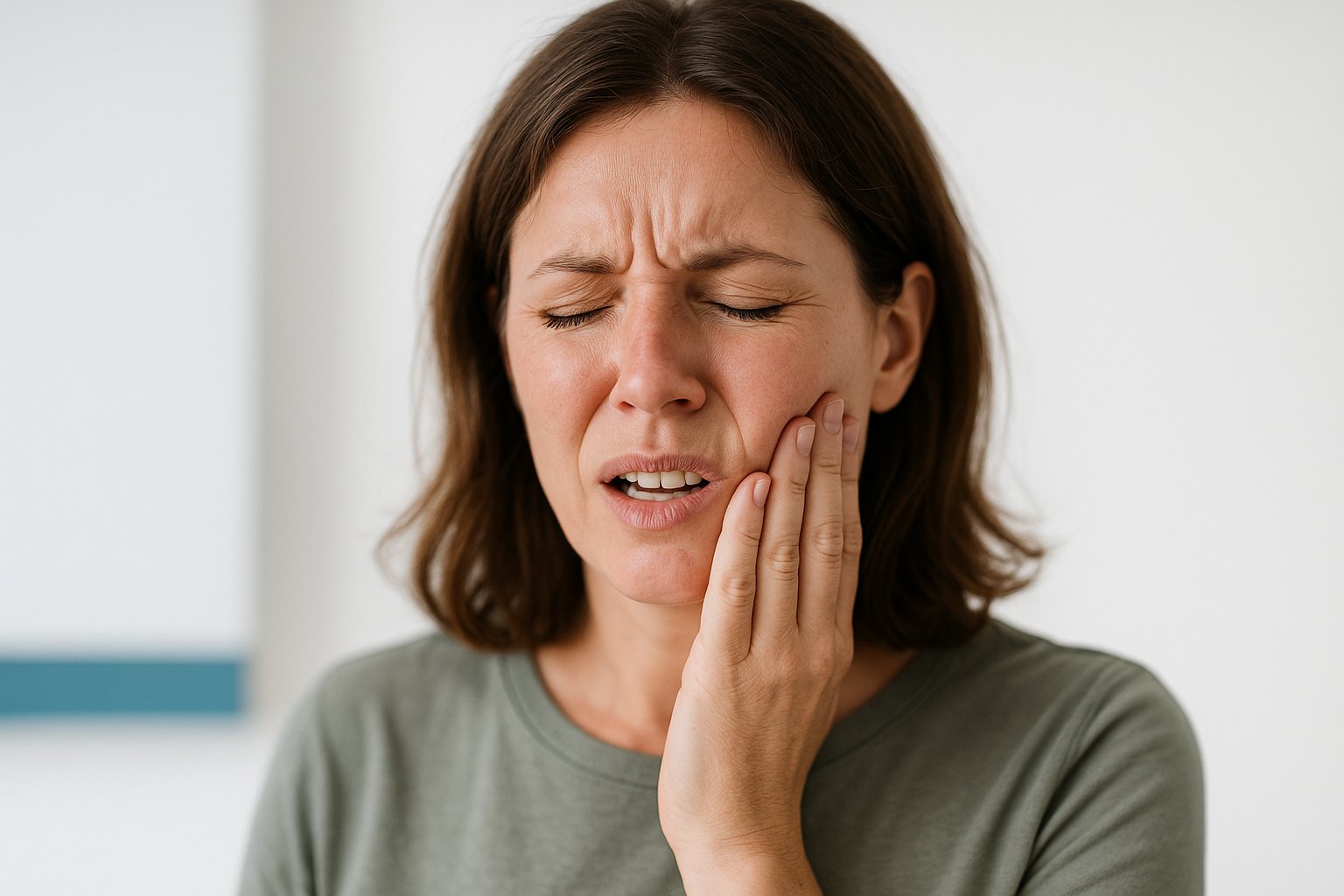
Your wisdom teeth may be worth an evaluation if you notice pain or swelling at the back of your mouth.
Do You Need Your Wisdom Teeth Removed?
Wisdom teeth (third molars) typically arrive between ages 17 and 25. When your jaw doesn't have enough room to accommodate them, these teeth can become impacted, trapped beneath the gum line or growing at an angle. Impacted wisdom teeth then press against neighboring teeth, which can make them shift, develop cavities, or even lose bone support.
Plenty of wisdom teeth never need to come out. Dr. Llanes checks yours with digital X-rays, keeps watch on any that look borderline, and recommends removal only when a tooth is causing harm or clearly heading that way. Simple extractions can often be handled right here in our office, while complex or impacted cases are referred to trusted specialists.

Signs Your Wisdom Teeth Need Attention
- Pain or pressure toward the back of your jaw
- Gums that are swollen, red, or tender behind your last molars
- Trouble opening your mouth all the way
- Bad breath or an unpleasant taste near the back teeth
- One-sided headaches or earaches
- A flap of gum tissue partially covering an erupting tooth
- Crowding or shifting among your other teeth
What Happens if Impacted Teeth Are Left Untreated
- Infection: Around a partially erupted tooth, bacteria can move in and cause painful infection (pericoronitis)
- Cysts: A fluid-filled sac may develop around an impacted tooth, damaging the jawbone and nerves
- Damage to neighbors: The pressure from impacted teeth can bring cavities or bone loss to adjacent molars
- Crowding: Wisdom teeth can shove other teeth out of alignment
- Gum disease: The hard-to-clean pockets around impacted teeth become breeding grounds for bacteria
When to call us: Severe pain, swelling that spreads toward your cheek or neck, difficulty swallowing, fever, or pus drainage near the back of your mouth.
Seek emergency care if facial swelling starts to affect your breathing or swallowing, or if a high fever leaves you unable to open your mouth.
How Wisdom Tooth Extraction Works

What Happens During Removal
- Planning: X-rays or a 3D scan map each tooth's roots and the nerve that runs nearby
- Numbing: Local anesthetic numbs the area first, and nervous patients can ask about a mild oral relaxation medication
- Reaching the tooth: For an impacted tooth still under the gum, the specialist makes a small opening in the gum to reach it
- Lifting it out: The tooth is eased free, sometimes in pieces so less bone has to be disturbed
- Closing up: The socket is cleaned and may be closed with stitches that dissolve on their own
Comfort Options for Removal
- Local anesthesia: Numbs the area while you stay awake, and is used for the extractions we do here
- Oral sedation: A mild relaxation medication Dr. Llanes can prescribe for you to take before your visit, and you will need someone to drive you home
- Deeper options: Some specialists offer nitrous oxide, IV sedation, or general anesthesia for complex or impacted cases. We do not provide these in our office
- For a referred extraction, the specialist decides which options fit your case
Nervous about having wisdom teeth out? Tell us, and we'll talk through the comfort options for your extraction.
Recovery & What to Expect
Healing After Removal
- Some bleeding and swelling right after removal is normal, and rest plus cold packs help
- Swelling often gets worse before it gets better, so plan on soft foods such as yogurt, soup, and applesauce at first
- Regular foods come back gradually as chewing feels comfortable again
- Straws, smoking, and hard rinsing can dislodge the clot and lead to dry socket, so avoid them while the site heals
- The gum closes over the socket first, and the bone beneath fills in more slowly
- Your aftercare instructions, including how long to follow each one, are the ones to go by

From Evaluation to Extraction
- Exam: Dr. Llanes looks at the gums and teeth at the back of your mouth
- X-rays: Images show where each wisdom tooth sits and whether it is trapped or angled
- Explanation: You hear what we see and whether removal is worth considering
- Extraction: A simple extraction can often be done here, and an impacted or complex tooth is referred to a specialist
- Ongoing checkups: Wisdom teeth you keep are watched at your regular visits
Preparing for Removal
- Write down your questions about comfort options and recovery to bring to your consultation
- Have soft foods at home before the day of your procedure
- Arrange a ride home if you will be sedated
- Plan some quiet time afterward, and ask how much rest your case is likely to need
- Extra pillows keep your head raised, which helps with swelling
- Cold packs on the cheek, used on and off, ease swelling early on
Frequently Asked Questions
Often, yes. When a wisdom tooth has come in and its roots look straightforward on X-rays, Dr. Llanes can usually remove it here. Teeth that are impacted, buried in bone, or sitting close to the nerve are referred to a trusted specialist.
If your wisdom teeth can stay, we simply keep an eye on them at your regular checkups.
The area is numbed before the extraction begins, and nervous patients can ask about a mild oral relaxation medication, so most people feel pressure rather than pain during the extraction itself.
Soreness and swelling are normal once the numbness fades. You'll get pain relief recommendations and aftercare instructions, and following them closely is the best way to stay comfortable while you heal.
Sometimes. Taking out all four together means one procedure and one recovery, which is why it is common when every wisdom tooth is impacted or likely to cause problems.
When only one or two are giving trouble and the others are healthy and well placed, removing just those can be the better choice. Dr. Llanes will tell you what the X-rays show, and for teeth that are referred, the specialist settles the final plan with you.
Recovery varies with how many teeth come out and how deeply they were buried, so whoever performs your extraction will tell you what to expect. Swelling and soreness tend to build early on and then ease, and soft foods and rest make that stretch easier.
Healing happens in layers. The gum closes over the socket first, and the bone underneath fills in more slowly, without you noticing. Following the aftercare instructions protects that process.
Dry socket happens when the blood clot that forms in an empty socket comes loose too soon, leaving bone and nerve endings exposed. It causes a deep, throbbing ache, sometimes with a bad taste or smell.
Protecting the clot is the best prevention. While the site heals:
- Skip straws, since the suction can pull the clot free
- Avoid smoking and vaping
- Don't spit hard or rinse vigorously
- Start gentle warm salt water rinses when you are told to
If you think you have dry socket, call the office that did the extraction so it can be treated.
There is no set age. Wisdom teeth are usually first checked in the mid to late teens, when X-rays can show how they are lining up. If removal is advised, earlier tends to be easier, because the roots are still forming and the bone around them is more forgiving.
Adults have wisdom teeth out too, often when a tooth that was quiet for years starts to hurt, gets infected, or crowds its neighbors. The better question is whether a particular tooth is likely to cause trouble, and that is what Dr. Llanes looks for on your X-rays.
That depends on how involved the extraction is and how you feel afterward. Removing a tooth that has fully come in is usually easier to bounce back from than removing one buried in bone.
Plan for some downtime rather than assuming you will be back to normal right away, and ask how much rest your case is likely to need. Hard exercise and heavy lifting can restart bleeding, so ease back into them.
Not for extractions done in our office. Here, wisdom teeth are removed with local anesthetic, which numbs the area while you stay awake, and Dr. Llanes can prescribe a mild oral relaxation medication if you feel nervous.
For complex or impacted teeth that are referred, the specialist may offer deeper options such as IV sedation or general anesthesia, and will talk them through with you beforehand.
For an extraction done here, the cost depends on the tooth and how involved the removal is, and we give you an estimate before treatment begins. If you are referred, the specialist sets their own fee, so their office is the one to quote it.
For care you receive with us, our financing options page explains the ways you can pay.
An early evaluation can prevent complications and ease recovery, so don't wait if wisdom tooth pain is worsening.